Hiking While Pregnant for Morocco Hiking & Trekking
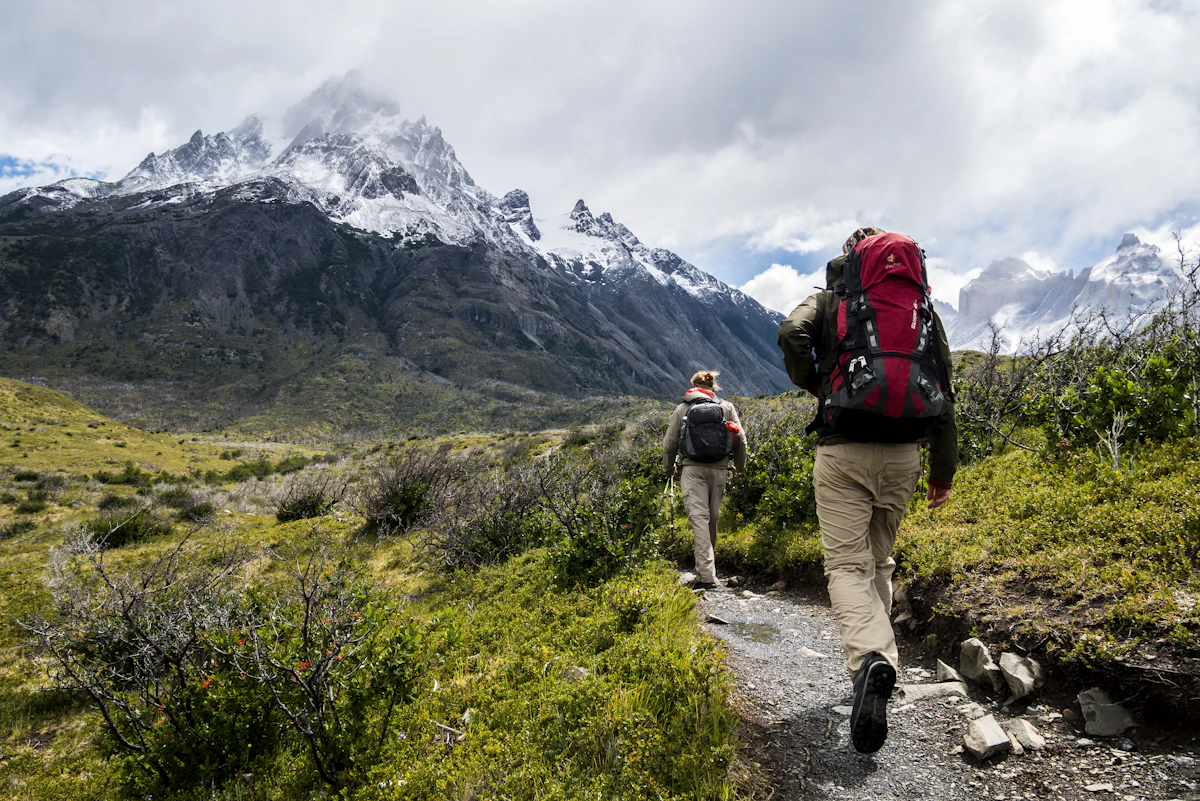
A practical guide to hiking while pregnant for Morocco hiking and trekking — safe valley and foothill walks with medical clearance.
Drawn from what our licensed Berber guides share on the trail, this guide helps you prepare, pack and trek safely across the Atlas, the Sahara and the coast.
In this guide you will find everything you need to plan hiking while pregnant for morocco hiking & trekking: how to choose the right route for your fitness and time, what the terrain and weather are really like, what to pack, how to get there, where you will sleep and eat, and how to walk respectfully through the Amazigh (Berber) communities whose land these trails cross. We keep it practical and honest — the same advice our licensed guides give on the trail.
A gentler, lower-altitude climate than the high peaks: comfortable walking most of the year, hot midsummer afternoons and mild green winters. 45–90 km from Marrakech, 1–2 hours on a good sealed road. Every itinerary we describe can be run with a licensed Berber guide, private transfer from Marrakech and transparent trek-plus-transfer pricing, so you can compare options clearly and book with confidence. Use the related tours below as a starting point, or message a local guide directly to tailor hiking while pregnant for morocco hiking & trekking to your dates, group and goals.
Why hiking while pregnant matters
Hiking While Pregnant is essential to a safe, comfortable trek in Morocco — safe valley and foothill walks with medical clearance. The Atlas ranges from easy valley walks to 4,000 m summits, so the right preparation and gear make the difference between a great trip and a hard one.
Our guides carry group safety kit and adapt routes to conditions, but your personal preparation is in your hands.
What to choose and why
For Moroccan conditions, safe valley and foothill walks with medical clearance. The key is matching your choice to your route, season and comfort — a Toubkal summit day demands more than a gentle Ourika stroll.
When in doubt, choose proven, broken-in gear over new or specialist kit, and ask us before you travel.
Season-by-season notes
Spring (March–May) and autumn (September–November) are the main trekking seasons — comfortable days, cool nights. Summer bakes the valleys but opens the high summits with early starts; winter brings snow to the peaks and pushes walking to the lower valleys, desert and coast.
Adjust your hiking while pregnant choices to the season and altitude of your trek.
Common mistakes to avoid
The most common mistakes are new, unbroken gear; overpacking; underestimating altitude and sun; and skipping travel insurance that covers trekking.
Pack light but right, break in your kit beforehand, and carry insurance that covers your highest route — to 4,100 m for Toubkal and Mgoun.
How we help
Our guided treks include a licensed Berber guide, private transfer from Marrakech, meals and accommodation, and group safety kit. You walk with only a light daypack on multi-day routes — mules carry group equipment.
Browse the related tours below or contact us for tailored advice on hiking while pregnant for your specific trek.
Planning and logistics
Most visitors reach the trailhead by private transfer, which is the most comfortable and flexible option and is included on every Marrakech Outdoor Hikes tour. From Marrakech the drive to the High Atlas foothills is 45–90 minutes; to the central Atlas and Mgoun region 5–6 hours; and to the Sahara dunes 8–9 hours over the Tizi n'Tichka. Shared grand taxis and local buses serve the main towns cheaply, but they run to fixed schedules and will not take you to remote trailheads — for those a 4x4 or a short walk from the road end is needed.
Build your day around an early start: mountain and desert light is best in the first hours, the air is coolest, and you leave the bulk of the day for walking rather than driving. Tell us your available time, fitness and group size and we will match the route — a half-day valley walk, a full-day hike with packed lunch, or a multi-day trek with refuge, guesthouse or camp overnights. Every multi-day trek includes a certified guide, mule support for group kit, all accommodation and meals, and private return transfer, so you walk with only a light daypack.
Book ahead for the peak spring and autumn weeks, especially over public holidays and school breaks. We confirm dates, meeting points, guide names and logistics directly with you, and every itinerary can be run privately on your own dates or adapted to a slower or faster pace.
What to pack for hiking while pregnant for morocco hiking & trekking
The core kit is the same whatever the route: sturdy, broken-in footwear with grip (trail shoes for valley walks, boots for high and multi-day routes), layered clothing you can add and shed as the altitude changes, a light fleece or insulated jacket, a sun hat, sunglasses and high-SPF sunscreen, 2–3 litres of water (4 litres on hot or high days), a small daypack, and cash in dirhams for village cafés and any small tips. A walking pole or two helps on the descents and is worth its weight on scree.
Layer for the season. In spring and autumn add a waterproof jacket and a warm layer for cool mornings. In summer add extra water, electrolytes, light long sleeves for sun cover, and a wide-brimmed hat. In winter the high peaks hold snow — add warm layers, gloves, a warm hat, and for high routes crampons and an ice axe, which we provide on equipped winter ascents. For multi-day treks add a three-season sleeping bag, a headtorch, and a small personal first-aid kit; tents, mats and all camp equipment are provided and carried by the mule team.
Dress modestly in traditional villages — cover shoulders and knees, and avoid shorts. A scarf is useful for sun, dust and cultural respect. Leave valuables you do not need at your hotel, and carry a charged phone with our guide's number saved.
Safety and responsible trekking
Morocco is one of Africa's safest hiking countries, and the single biggest safety factor is a licensed local guide. Our guides are accredited, carry first aid and communications, monitor the weather and the group, and adapt the route on the day — turning back when conditions demand it. Carry your own small first-aid kit and travel insurance that covers hiking to the maximum altitude of your trek, and tell your guide immediately if you feel unwell, especially above 3,000 m where the air thins.
Above 3,000 m, ascend gradually, hydrate more than usual, eat light and often, and watch for headache, nausea or dizziness — the early signs of altitude sickness. The cure is to descend; our guides know the symptoms and will not hesitate. In the Sahara and lower valleys the hazards flip to heat and sun: start early, carry extra water, rest in shade through the middle of the day, and add electrolytes.
Travel lightly and respectfully. Keep to established paths to protect fragile alpine and desert vegetation, carry out all waste (including tissues and fruit peel), use water sparingly — it is precious in every Moroccan village — and never feed or disturb wildlife, including the Barbary macaques at Ouzoud and Azrou. Ask before photographing people, dress modestly, and greet villagers you pass; a little Tamazight or Arabic goes a long way.
Culture, accommodation and food
These trails cross the land of the Amazigh (Berber) peoples — the indigenous inhabitants of North Africa — whose terraced villages, pisé mud-brick houses and communal granaries have stood for centuries. Walking with a local guide opens doors that independent travel cannot: tea with a village family, an explanation of the irrigation channels, a visit to a communal bread oven, or a quiet word that secures a photograph. The hospitality is genuine and unforced; repay it with respect, modest dress and a willingness to slow down.
You will sleep in a range of locally owned accommodation depending on the route: family guesthouses (gîtes) with simple private rooms and home-cooked dinners; characterful kasbah lodges with gardens and pools in the south; mountain refuges with dormitory bunks and shared meals on the high routes; and full-service desert camps with en-suite tents, rugs and lanterns beneath the darkest skies in Morocco. On camping treks, two-person tents, mats and a mess tent are provided and carried by the mule team — you bring only a sleeping bag.
Food is a highlight. Expect harira soup, slow-cooked tagines, couscous on Fridays, fresh bread from clay ovens, seasonal salads, fruit and endless sweet mint tea. In the south add dates, argan oil and amlou (almond-argan-honey paste); in the Middle Atlas, trout and forest dishes; on the coast, fresh grilled fish and seafood. Vegetarian, vegan and most dietary needs are catered for with advance notice, and bottled water is provided throughout.
Frequently asked questions
What hiking while pregnant do I need for Morocco trekking?
safe valley and foothill walks with medical clearance Match your choice to your route, season and altitude — ask us before you travel if unsure.
Can I rent hiking while pregnant in Morocco?
Some specialist gear can be provided on guided trips — confirm what is included when you book. Personal items like boots should be brought broken-in from home.
How does hiking while pregnant differ by season?
Spring and autumn need versatile layers; summer needs extra water and sun protection; winter needs warm layers and, for high routes, mountaineering equipment.
Do I need hiking while pregnant for a day hike?
Even day hikes need the basics — sturdy footwear, layers, sun protection, water and a small daypack. Summits need more preparation and fitness.
Is hiking while pregnant covered on guided treks?
Group safety and camp equipment is provided. Personal gear, boots and clothing are your responsibility — we send a packing list with every booking.
How do I prepare hiking while pregnant for a Toubkal summit?
Break in your boots, build aerobic fitness for 8–12 weeks, and carry layers for cold mornings at 3,200–4,167 m. The 3-day format with acclimatisation has a higher summit success rate.
What about hiking while pregnant for families?
For families, prioritise comfort, broken-in footwear, sun protection and enough water. Guides adapt distance and terrain to the children.
Where can I get advice on hiking while pregnant?
Message a local guide on WhatsApp — we reply quickly and tailor advice to your specific trek, dates and group.
Do I need travel insurance for hiking in Morocco?
Yes. Carry travel insurance that covers hiking to the maximum altitude of your trek (and winter mountaineering if you are climbing the high peaks in snow). Check that it includes emergency evacuation and trekking to the height of your route, and carry your policy details with you.
What fitness level do I need for hiking in Morocco?
It depends on the route. Easy valley and coastal walks need only basic walking fitness; moderate full-day routes suit regular walkers comfortable with 5–6 hours on uneven terrain; strenuous summits and multi-day traverses need strong aerobic fitness and some mountain experience. Tell us your fitness and we will match the route.
Are meals and accommodation included on your treks?
Yes. Every multi-day trek includes a certified Berber guide, mule support for group kit, all accommodation (refuges, guesthouses or camps), all meals and private return transfer from Marrakech — you walk with only a light daypack. Day hikes include private transfer, a licensed guide, packed lunch and water.
Can I customize or privatize my itinerary?
Absolutely. Every itinerary can be run privately on your own dates and adapted to your pace, fitness, group size and interests — add a rest day, change the accommodation standard, combine regions, or design a route from scratch. Message a guide on WhatsApp for a tailor-made quote.
How do I get to the trailhead from Marrakech?
Private transfer is included on all our tours. The drive is 45–90 minutes to the High Atlas foothills, 5–6 hours to the central Atlas, and 8–9 hours to the Sahara dunes. Shared grand taxis and buses serve main towns cheaply but not remote trailheads, where a 4x4 or short walk may be needed.
Is the tap water safe to drink on the trail?
Drink only bottled or filtered water, which we provide throughout. Tap and spring water in villages is not reliably safe for visitors. Use bottled water for brushing teeth too, and carry electrolytes for hot and high-altitude days.
What should I wear in Berber villages?
Dress modestly: cover shoulders and knees, and avoid shorts. A scarf is useful for sun, dust and entering homes. In the mountains, layer up — temperatures swing sharply with altitude and time of day. Sturdy, broken-in footwear with grip is essential on every route.
How far in advance should I book?
Book ahead for the peak spring (March–May) and autumn (September–November) weeks, especially over public holidays and school breaks. For private and tailor-made treks, a few weeks of notice lets us secure the best guides, accommodation and mule teams for your dates.
Why choose Marrakech Outdoor Hikes for hiking while pregnant for morocco hiking & trekking?
We are a licensed Marrakech-based operator (License ODV-31706, Insurance #29/29726, founded 2015) run by Berber mountain guides. Every tour includes a licensed local guide, private transfer, transparent trek-plus-transfer pricing, and locally owned accommodation — so your visit supports the communities you walk through. Browse the related tours below or message a guide directly.
Related tours
- Imlil Valley Loop — Authentic Berber Mountain Hiking
- Ourika Valley Waterfall Hike — Family-Friendly Adventure
- Three Valleys & Atlas Foothills — Day Tour — Ourika Valley
- Ouirgane National Park — Lake & Olive Groves Day Hike
- Imlil Valley Day Hike
- Ourika Valley Hiking Experience
Related hiking hubs
Photos


