Hiking from Marrakech: Day Hikes, Multi-Day Treks & Itineraries
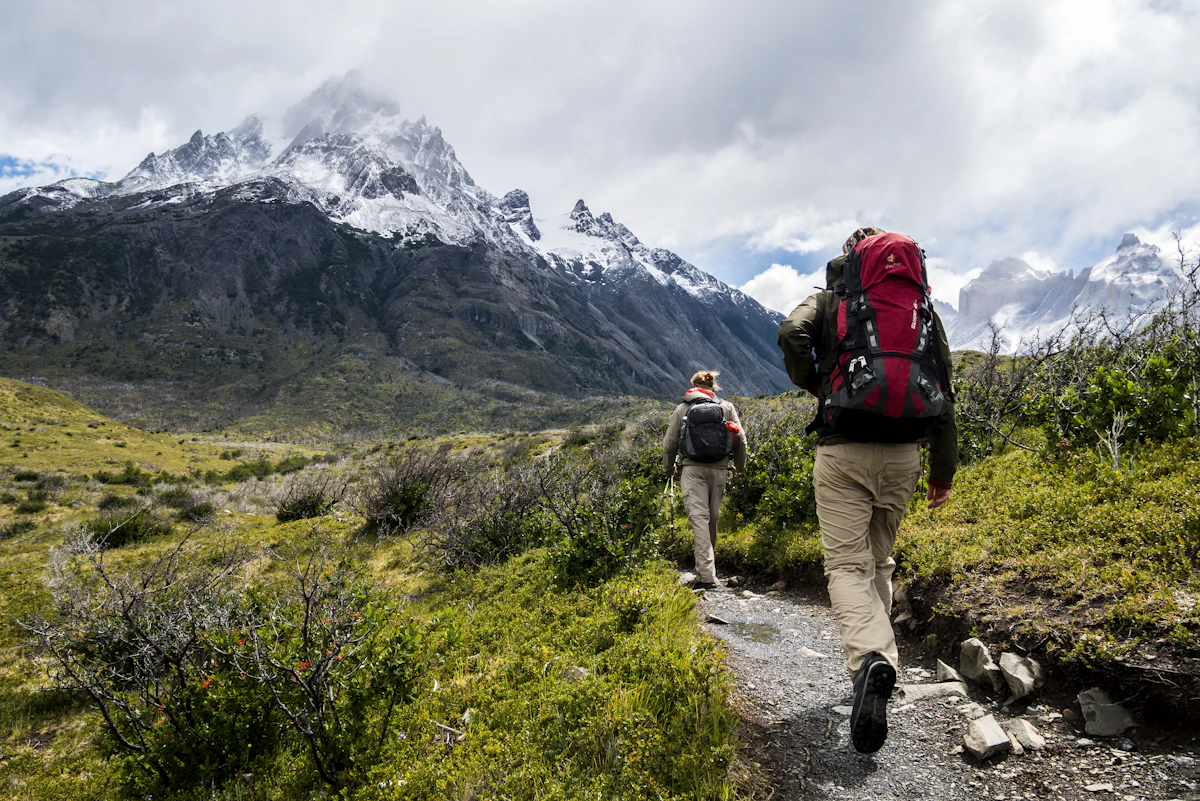
Everything you need to plan hiking from Marrakech — best day hikes, multi-day treks, logistics, transport, accommodation, seasonal advice and detailed itineraries.
Hiking from Marrakech: the complete guide
Marrakech is one of the world’s great trekking bases, and the reason is simple geography: the city sits on a plain at the foot of the High Atlas, and within ninety minutes of leaving your riad you can be on a mountain trail. No other major city in North Africa — and few anywhere in the world — puts 4,000-metre summits, waterfall valleys, Berber villages and a rocky stone desert within such easy reach of a morning departure. For trekkers, that means you can base yourself in one of the most vibrant cities on the planet and still walk a different mountain route every day for a fortnight.
This is the complete guide to hiking from Marrakech. It covers Marrakech as a base, every worthwhile day hike reachable from the city, the multi-day treks that begin here, difficulty progression from beginner to advanced, logistics and transport, accommodation, cultural experiences, seasonal considerations, and detailed itineraries from a single day to ten days. It is written by a team based at the foot of the Atlas who run these routes every week.
Use the table of contents to jump to the section you need, or read it end to end as a planning primer. Every elevation, distance and seasonal window here comes from routes we guide year-round.
- Why Marrakech is the perfect hiking base
- Day hikes from Marrakech (Ourika, Agafay, Imlil and more)
- Multi-day treks from Marrakech (Toubkal, Azzaden, M’Goun)
- Difficulty progression: beginner to advanced
- Logistics, transport and guides
- Accommodation: Marrakech base and mountain lodges
- Cultural experiences on the trail
- Seasonal considerations
- Itinerary planning: 1, 3, 5, 7 and 10 days
- Cost and booking
- Frequently asked questions
Why Marrakech is the perfect hiking base
Marrakech sits roughly 470 metres above sea level on the Haouz plain, with the snow-streaked wall of the High Atlas rising immediately to the south. The closest trailheads — the Ourika Valley and the Agafay stone desert — are under an hour away, and Imlil, the gateway to Toubkal, is just 65 kilometres and ninety minutes by road. That proximity is the city’s great gift to trekkers: you can eat breakfast in a Marrakech riad and be walking a mountain trail before mid-morning.
The city also offers everything a trekking base needs — an international airport with direct flights from across Europe, a huge range of accommodation from budget riads to luxury palaces, gear shops for last-minute supplies, and a food and culture scene that makes a rest day genuinely rewarding. For most travellers, the pattern is obvious: spend a day or two acclimatising and exploring Marrakech, trek for as many days as your itinerary allows, then return to the city for a final night before flying home.
Hiking from Marrakech hub Marrakech travel guide Day hikes from Marrakech hub
Day hikes from Marrakech
Day hikes are the most popular way to experience the Atlas from Marrakech, and for good reason — they fit into any itinerary, suit almost any fitness level, and combine mountain scenery, Berber village life and a home-cooked lunch in a single day. The four destinations below are the backbone of Marrakech day hiking.
- Ourika Valley & Setti Fatma waterfalls: the closest real mountain day hike, 40 minutes from Marrakech. A river valley of terraced villages and seven waterfalls; the scramble to the lower falls takes around 40 minutes from Setti Fatma.
- Imlil day hike: the gateway to Toubkal, 90 minutes away. A gentle loop through Aroumd and along the Mizane river, with optional climbs to Sidi Chamharouch or the Tizi Mzik pass. The best introduction to the High Atlas.
- Agafay stone desert: a rocky, moon-like plateau 30 minutes from Marrakech — not sand dunes, but a dramatic golden landscape with the Atlas rising behind it. Pairs hiking with a camel trek and an overnight luxury camp.
- Ouirgane & Kik Plateau: gentle, scenic walking country south of Marrakech, ideal for families and first-time hikers, with juniper forests, red-earth villages and lake views.
Ourika day hike Imlil day hike Agafay luxury camp Ourika Valley hiking guide Imlil Valley hiking guide
Multi-day treks from Marrakech
When you have two or more days, the full depth of Atlas trekking opens up. Multi-day treks from Marrakech reach the high summits, the remote valleys and the genuine wilderness that a day hike cannot. All of these begin with a private transfer from Marrakech to the trailhead, and most return you to the city on the final evening.
- Toubkal 2-day ascent: the classic fast summit — Imlil to the refuge on day one, summit and descent on day two. Best for fit, altitude-experienced trekkers.
- Toubkal 3-day ascent: adds an acclimatisation day at the refuge, meaningfully reducing altitude sickness risk. Our recommended option for most trekkers.
- Azzaden to Toubkal circuit: a longer, quieter approach through the Azzaden valley, summiting from the south and descending to Imlil. The best solitude-with-summit option.
- M’Goun traverse: a genuine multi-day expedition through the central High Atlas wilderness, summiting Morocco’s second-highest major peak from the Ait Bouguemez valley.
- Ait Bouguemez village trekking: gentler multi-day village-to-village walking in the Happy Valley, with cultural depth and no serious summit objective.
- Winter Toubkal ascent: the same mountain transformed by snow, requiring crampons, ice axe and a winter-qualified guide.
Toubkal 3-day trek Azzaden to Toubkal circuit M’Goun traverse Multi-day Atlas treks hub Mount Toubkal complete guide
Difficulty progression: beginner to advanced
For anyone arriving from sea level with limited mountain experience, we strongly recommend starting with a day hike before a summit trek — it eases the transition, tests your boots and fitness, and gives your body a first taste of altitude before you commit to a multi-day itinerary.
| Step | Route | What it builds |
|---|---|---|
| 1. Beginner | Ourika valley floor or Ouirgane walk | Confidence on mountain trails, basic fitness |
| 2. Easy-moderate | Imlil to Aroumd loop, Setti Fatma lower falls | Half-day walking, gentle climbing |
| 3. Moderate | Imlil day hike to Sidi Chamharouch, Kik Plateau | Sustained walking, mild altitude awareness |
| 4. Challenging | Toubkal 2-day or Azzaden village trek | Multi-day stamina, real altitude |
| 5. Demanding | Toubkal 3-day or M’Goun traverse | Acclimatisation, summit fitness |
| 6. Mountaineering | Winter Toubkal ascent | Winter skills, snow and ice competence |
Logistics, transport and guides
Logistics from Marrakech are straightforward but worth understanding. Trailheads are reached by private transfer — typically a 4×4 or minivan with a driver — and the drive times are short: Ourika 40 minutes, Agafay 30 minutes, Imlil 90 minutes, the Azzaden and Ait Bouguemez rather longer. On guided treks, all transfers, the guide, mule support, meals and accommodation are arranged for you; you simply turn up at your Marrakech accommodation at the agreed time.
A licensed guide is required for the Toubkal National Park area and strongly recommended for any route beyond a marked valley walk. Guides handle navigation, weather calls, pacing, cultural translation and park permits, and they carry first-aid kits and communication. For multi-day treks, mule teams carry your main luggage between stops so you walk with only a daypack — one of the quiet luxuries of trekking in Morocco.
Guided vs self-guided trekking Benefits of hiking with local guides Morocco trekking permits
Accommodation: Marrakech base and mountain lodges
Most trekkers base themselves in a Marrakech riad or hotel before and after their trek, then move to mountain accommodation on the trail. In Marrakech itself, the choice runs from budget guesthouses in the medina to luxury palaces in the Palmeraie — pick somewhere quiet with a roof terrace for mountain views, and book early for the spring and autumn peaks.
On the trail, accommodation falls into four categories: mountain refuges (dormitory huts like the Toubkal Refuge at 3,207 m), village guesthouses (family-run, private rooms, home-cooked meals), Berber homestays (more basic, more authentic) and camps (from simple tents to luxury furnished camps on the desert edge). On our treks, all of this is arranged and included; you do not book it yourself.
Cultural experiences on the trail
Hiking from Marrakech is as much a cultural experience as a mountain one. The valleys you walk through are working Amazigh (Berber) communities where life — terraced farming, irrigation, communal ovens, mint tea on the doorstep — has changed little in generations. A guided trek opens doors that independent travel cannot: lunch in a family home, tea with a village elder, an evening by the fire in a Berber guesthouse, and conversations (translated by your guide) that turn a walk into a relationship.
Simple courtesies matter: greet with "azul", dress modestly in villages, ask before photographing people, and remove shoes when invited into a home. Choosing an operator that employs and fairly pays local guides, cooks and muleteers is how your trek genuinely benefits the communities whose valleys you walk through.
Berber culture & respectful trekking Meet the local people Berber village treks hub
Seasonal considerations
Marrakech is a year-round hiking base, but the right season depends on your route and altitude. The valleys and desert are walkable almost any time; the high summits have a narrower window.
- Spring (March–May): the most beautiful season — wildflowers, snowmelt waterfalls, walnut blossom. Ideal for valley day hikes and lower routes; residual snow on high summits into April.
- Summer (June–August): hot in Marrakech and the lowlands but pleasant at altitude. Peak season for Toubkal; start early to beat the heat on valley hikes.
- Autumn (September–November): the best all-round season — stable weather, comfortable temperatures, harvest in the valleys. Book early.
- Winter (December–March): snow on the high routes turns Toubkal into mountaineering; the desert and lower valleys stay warm and quiet. A great season for Agafay and Siroua.
Best time to trek Morocco Summer trekking in Morocco Winter hiking in Morocco
Itinerary planning: 1, 3, 5, 7 and 10 days
The principle behind all of these is the same: build gradually. Start with a day hike to acclimatise and test your gear, then take on the bigger objectives once your body has adjusted to the altitude and the rhythm of mountain days. For any itinerary including a 4,000-metre summit, we recommend the three-day Toubkal ascent over the two-day version for the extra acclimatisation night.
| Duration | Itinerary | Best for |
|---|---|---|
| 1 day | Ourika waterfalls or Imlil day hike | First-timers, families, short trips |
| 3 days | Day hike + Toubkal 2-day ascent | A taste of the Atlas and a summit |
| 5 days | Imlil day hike + Toubkal 3-day + Agafay camp | A rounded Atlas and desert experience |
| 7 days | Toubkal 3-day + Azzaden village trek + Marrakech rest days | Deep immersion, good acclimatisation |
| 10 days | Azzaden-Toubkal circuit + M’Goun traverse + desert camp | The full Atlas expedition |
Cost and booking
Hiking from Marrakech is genuinely good value. A private day hike runs roughly €70–€130 per person including transfers, guide and lunch; a Toubkal 3-day ascent €300–€450; a 7-day combined itinerary €600–€900. These typically include a licensed guide, mule support, all mountain meals, accommodation, private transfers from Marrakech and park entry — but not insurance, personal gear, flights or tips. Always confirm exactly what is included when you book.
The simplest way to book is to tell us your dates, your fitness and what you want from the trip. We will match you to the right route, arrange everything end to end, and answer any question — there is no such thing as a small question when a mountain is involved.
Explore Marrakech hiking tours Plan your Marrakech trek (WhatsApp) Private vs group trekking
The Ourika Valley day hike in detail
The Ourika Valley is the closest real mountain day hike to Marrakech and the easiest way to combine waterfalls, Berber village life and a home-cooked lunch in a single day. A typical itinerary begins with an 8 am departure from Marrakech, reaching the valley in around forty minutes. The drive itself is part of the experience: the road climbs steadily from the Haouz plain through terraced gardens and a string of riverside villages, with the Atlas wall growing larger in the windscreen.
Most day hikes finish at the village of Setti Fatma, the last settlement before the gorge, where a rocky trail climbs alongside the river to the seven cascades that give the valley its fame. The walk to the first and most accessible waterfall takes around forty minutes, crossing footbridges and passing riverside cafes. Confident walkers can continue further up the scramble to reach the higher, quieter falls beyond. After the walk, lunch is served in a family home or riverside guesthouse — fresh bread, tagine and mint tea — before the return transfer to Marrakech in the mid-afternoon. The whole day suits all fitness levels on the valley floor, with a moderate scramble to the upper falls for anyone with reasonable balance.
The Imlil day hike in detail
Imlil is the gateway to Toubkal and the best single introduction to the High Atlas, sitting at 1,740 metres just ninety minutes from Marrakech. A typical day hike begins with a morning transfer to Imlil, where you meet your guide and set off up the Mizane valley through walnut groves and terraced orchards. The classic loop crosses the river to the village of Aroumd, perched on a rocky outcrop and one of the best-preserved traditional villages near Imlil, then returns along the far bank of the Mizane.
For a longer day, the route can climb to the shrine of Sidi Chamharouch (2,310 m) — a popular pilgrim site beneath a dramatic overhang — or up toward the Tizi Mzik pass for bigger views over the Toubkal massif. Lunch is taken in a Berber family home or a village guesthouse, and the return transfer reaches Marrakech by late afternoon. The Imlil day hike is the route we recommend most often for first-time visitors: it delivers real mountain scenery, a genuine Berber village experience and a proper taste of the Atlas in a single, manageable day.
The Agafay stone desert day in detail
Agafay is not sand dunes but a rocky, moon-like desert of eroded hills and hammada plateau roughly thirty minutes from Marrakech — a dramatic golden landscape with the Atlas Mountains rising behind it. Its proximity to the city makes it the most accessible desert experience in Morocco, and a day here pairs easily with a camel trek and an overnight luxury camp.
A typical Agafay day begins with a short morning transfer from Marrakech. Trails cross low rocky ridges and dry riverbeds (oueds) with sweeping views back toward the High Atlas, taking two to four hours of easy to moderate walking. A short camel trek at sunset is the classic Agafay experience, followed by dinner and stargazing at a luxury tented camp. Camps here range from comfortable furnished tents with proper beds to more elaborate glamping setups with private bathrooms. Expect dramatic golden-hour light, near-total silence broken by wind, and star-filled skies once the sun sets. Days are warm and dry; nights drop noticeably in temperature, so pack a warm layer regardless of season.
Ouirgane and the Kik Plateau in detail
Ouirgane and the Kik Plateau are the gentle, scenic walking country south of Marrakech that we recommend most often for families and first-time hikers. The area offers juniper forests, red-earth Berber villages, lake views and rolling trails with barely any altitude commitment — most walking sits below 2,000 metres — which makes it ideal for anyone who wants the Atlas experience without a serious physical undertaking.
A typical day begins with a morning transfer to Ouirgane or the Kik Plateau, followed by a gentle three to five hour walk through juniper woodland and past traditional villages, with frequent stops for tea and views. The walking is on clear, mostly flat trails, and the pace is deliberately unhurried. Lunch is taken in a village guesthouse or as a picnic with a view over the lake and the Atlas wall. The return transfer reaches Marrakech by late afternoon. This is the route to choose if you are travelling with children, with older relatives, or simply want a relaxed, beautiful day in the mountains.
The Toubkal 2-day ascent in detail
The two-day Toubkal ascent is the classic fast summit, best suited to fit, altitude-experienced trekkers who are short on time. Day one begins with a morning transfer from Marrakech to Imlil (1,740 m). You walk up the Mizane valley through Aroumd and Sidi Chamharouch to the Toubkal Refuge at 3,207 m — roughly five to six hours of walking with a packed lunch en route. The afternoon is for resting, hydrating and an early evening meal before the dormitory.
Day two begins well before dawn. You set out by headtorch, climbing scree and — outside peak summer — patches of snow, to reach the 4,167 m trig point for sunrise. After photos and a rest, you descend to the refuge for breakfast, then continue all the way down to Imlil and the transfer back to Marrakech. It is a long, demanding second day, and the fast ascent profile leaves less time to acclimatise — which is exactly why we recommend the three-day version for most trekkers. The two-day route remains a good option for those who know how their body responds at altitude.
The Toubkal 3-day ascent in detail
The three-day Toubkal ascent is our recommended itinerary for the great majority of trekkers, because the extra acclimatisation day makes a real difference to both safety and enjoyment. Day one is identical to the two-day route: transfer to Imlil, walk up the Mizane valley to the refuge at 3,207 m, rest and an early night.
Day two is the acclimatisation day that distinguishes the itinerary. After a late breakfast you take a short walk to a nearby ridge or the Tizi Ouanoums pass to gain a little more altitude and then descend to sleep — the "climb high, sleep low" principle. The afternoon is spent resting, hydrating and preparing gear. Day three is the summit push: a pre-dawn start, the climb to the 4,167 m trig point for sunrise, then the long descent to Imlil and the transfer back to Marrakech. The extra night at altitude meaningfully reduces headaches, nausea and fatigue on summit morning, which is why this is the route we book most often.
A 3-day Marrakech itinerary: day hike plus summit
A three-day Marrakech itinerary is one of our most popular options, because it combines a gentle acclimatisation day with a summit in a single short trip. Day one is a day hike — usually the Imlil day hike or the Ourika waterfalls — which eases the transition to altitude, tests your boots and fitness, and gives your body a first taste of mountain air before you commit to the summit push. You return to Marrakech for the night.
Days two and three are the two-day Toubkal ascent: transfer to Imlil, walk to the refuge, summit at dawn and descend. The combination works because the day hike does double duty as acclimatisation, which partly offsets the faster two-day summit profile. For trekkers who want a more comfortable summit, swap the two-day ascent for the three-day and extend the trip by a day. Either way, this is the itinerary that fits a summit into most people’s available time without compromising the experience.
A 5-day Marrakech itinerary: Atlas and desert
A five-day itinerary gives you a rounded Atlas and desert experience without rushing. Day one is an Imlil day hike for acclimatisation and a first taste of the High Atlas. Days two to four are the three-day Toubkal ascent — the recommended acclimatised summit — returning to Marrakech on the evening of day four. Day five is an Agafay desert day: a rocky-plateau hike, a sunset camel trek and a night in a luxury camp under the stars, with a return to Marrakech the following morning if you have a sixth day.
This combination is the one we recommend most often for travellers with a week or less who want both the high mountains and the desert. It builds gradually — valley walk, summit, desert — and each day contrasts with the last, so the trip feels varied rather than repetitive. The Agafay night is a particular highlight: after the physical effort of the summit, a quiet desert evening with dinner around a fire and a sky full of stars is the perfect way to end a Marrakech hiking trip.
A 7-day Marrakech itinerary: deep immersion
A seven-day itinerary allows genuine acclimatisation and a deeper immersion in the Atlas. A popular shape is: day one, an Imlil day hike; days two to four, the three-day Toubkal ascent; day five, a rest day in Marrakech; days six and seven, an Azzaden village trek or an Agafay desert camp. The rest day in Marrakech is important — after a summit, a day exploring the souks, a hammam and a good meal lets your body recover before the final mountain section.
The alternative is to spend the full seven days in the mountains: the Azzaden-to-Toubkal circuit over five days, plus a day hike and a rest day. This deeper version suits trekkers who want maximum time on the trail and minimum time in the city. Either way, seven days is enough to acclimatise properly, attempt a summit comfortably, and still see a second face of the Atlas — whether that is the quiet Azzaden villages or the Agafay desert.
A 10-day Marrakech itinerary: the full expedition
A ten-day itinerary is the full Atlas expedition, and it is the trip we recommend for experienced trekkers who want to see the range properly. A classic shape combines the Azzaden-to-Toubkal circuit (four to five days) with the M’Goun traverse (five to seven days), linked by rest days and transfers — though the M’Goun section requires a long transfer to the Ait Bouguemez valley and is best treated as a separate expedition.
A more realistic ten-day shape for most trekkers is: a day hike for acclimatisation, the three-day Toubkal ascent, a rest day in Marrakech, a four-day Azzaden village trek, and a final Agafay desert camp. This delivers a summit, deep village immersion, and a desert finish in a single trip, with enough rest built in to enjoy each section. Ten days is the sweet spot for trekkers who want the full breadth of what the Atlas offers from a Marrakech base — and it leaves most travellers wanting more, which is exactly the right way to finish a great trip.
Getting to Marrakech and getting around
Marrakech is one of the easiest trekking bases to reach. Marrakech Menara Airport (RAK) has direct flights from across Europe and connections via Casablanca from further afield, and the airport is a short drive from the medina. Most trekkers arrive a day or two before their trek to acclimatise, explore the city and pick up any last-minute supplies from the gear shops around Avenue Mohammed V.
Getting to the trailheads is handled by private transfer on any guided trek — typically a 4×4 or minivan with a driver — and the drive times are short: Ourika forty minutes, Agafay thirty minutes, Imlil ninety minutes. If you are arranging your own transport, grand taxis run from Marrakech to Imlil and Ourika, but a private transfer is far more convenient and is included in every trek we run. Within Marrakech, the medina is best explored on foot, with petit taxis for longer hops.
Food and drink on the trail
Food on an Atlas trek is one of the genuine pleasures of the experience. Expect tagines slow-cooked over olive wood, fresh bread baked in communal village ovens, couscous on Fridays, and endless glasses of sweet mint tea poured from height as a mark of respect. Meals are often eaten communally from a shared dish — using the right hand and bread as a utensil is customary. On multi-day treks, your cook (often the guide’s family) prepares hearty, carbohydrate-rich meals that fuel walking at altitude, with packed lunches taken on the trail.
Water is treated or bottled and provided on guided treks; drink far more than feels necessary, because the dry mountain air dehydrates you faster than you notice. Avoid alcohol on the mountain — it worsens altitude effects and sleep. Vegetarian and most dietary requirements are easily accommodated; mention them when booking so your cook can plan. The food is simple, fresh and genuinely good — and a hot tagine at a village guesthouse after a long walking day is one of the great unsung luxuries of Atlas trekking.
What to pack for a Marrakech hike
Packing for a Marrakech hike depends on whether you are doing a day hike or a multi-day trek, but the core principles are the same: a layering system, broken-in footwear, sun protection and a daypack. For a day hike, that means a moisture-wicking base layer, a light fleece or mid-layer, a windproof shell, sturdy walking shoes or boots, a hat, sunglasses, high-SPF sunscreen, two litres of water and a small first-aid kit. Avoid cotton and flip-flops.
For a multi-day trek, add a soft duffel under 15 kg for the mule (a duffel packs far better onto a mule than a hard-shell suitcase), a change of clothes, toiletries, a sleeping bag liner for refuge nights, a headtorch with spare batteries, trekking poles for the descents, and a 25–35 litre daypack for daily essentials. For winter routes, add an insulated down jacket, gaiters, warm gloves plus a spare pair, and a warm hat; we provide crampons and ice axes with instruction. The full packing list covers every detail.
Morocco hiking packing list Packing guide for Morocco trekking
Real traveller experiences from Marrakech
The patterns from travellers who hike from Marrakech are remarkably consistent. First-timers on a day hike are surprised by how close the mountains are and how much they see in a single day — waterfalls, villages, a home-cooked lunch and back to Marrakech for dinner. Trekkers on the three-day Toubkal ascent almost always say the acclimatisation day was the difference between a comfortable summit and a miserable one. And travellers on the five-day Atlas-and-desert combination describe the Agafay night under the stars as the perfect antidote to the physical effort of the summit.
The most common piece of advice from experienced Marrakech-based trekkers is to build gradually: start with a day hike, take on the summit once acclimatised, and leave time for a rest day in Marrakech. The second most common is to book early for the spring and autumn peaks, when guides and refuges are in highest demand. And the third — almost universal — is that the hospitality, the food and the warmth of the welcome are what they remember longest, long after the summit photos have faded.
Marrakech neighbourhoods and trailhead access
Where you stay in Marrakech shapes how smoothly your hiking day begins. The medina — the old walled city around Jemaa el-Fnaa — is atmospheric and walkable but its alleyways are too narrow for vehicles, so any trek transfer must pick you up from a designated meeting point such as Bab Doukkala, the Koutoubia car park or your riad’s nearest accessible street. Most riads arrange this with the guide team the evening before. If your trek starts at dawn in summer (to beat the heat on lower routes), allow an extra 15–20 minutes for the walk from your riad to the vehicle.
Gueliz and the Hivernage, the French-era districts north-west of the medina, are vehicle-friendly: a transfer can collect you directly from your hotel door, and the drive to the Imlil trailhead is a clean 60–75 minutes via the Tizi N’Test road through Asni. For Ourika, expect 75–90 minutes; for Agafay, as little as 45 minutes; for Ouirgane, around 75 minutes. Staying in Gueliz is the most logistically simple choice for trekkers, while the medina offers the deeper cultural immersion — both work, as long as you confirm the pickup logistics the night before.
A practical tip: if you are doing a multi-day trek, ask your riad or hotel to store your main luggage and pack only a soft duffel for the mountain portion. Almost all Marrakech accommodations do this routinely, and returning to a stored bag and a hot shower after three days on the trail is one of the small luxuries of trekking from a city base.
Sunrise, sunset and shoulder-hour hikes
The single biggest mistake day-hikers make from Marrakech is starting too late. From May to September the lower valleys (Ourika, Agafay, the foothills) are hot by 11 a.m. and punishing by early afternoon. A 6:30 a.m. departure from Marrakech puts you on the trail by 8 a.m., giving you four golden hours before the sun dominates. Guides plan around this instinctively, but independent walkers should build the same discipline into their schedule.
Sunset hiking is a quieter alternative, particularly on the Agafay stone desert and the Kik Plateau, where the late light turns the rock and argan trees amber and the High Atlas skyline glows pink behind you. A late-afternoon departure (around 3 p.m. in winter, 4:30 p.m. in summer) lets you walk into the dusk and finish as the stars come out — a memorable experience and a good option for travellers who find early starts hard. Always carry a headtorch for the return, and never attempt a high or technical route in fading light.
For photographers, the first and last two hours of daylight are non-negotiable: the low angle reveals the texture of the rock, the walnut terraces and the Berber villages in a way the flat midday sun never does. If photography is your goal, plan your whole day around the light, not the distance.
Combining hiking with other Marrakech experiences
One of the great advantages of trekking from Marrakech is that you do not have to choose between mountains and culture — you can have both in a single trip. A popular pattern is a day hike or short trek bookended by medina time: arrive, spend a day exploring the souks, the Ben Youssef Madrasa and Jemaa el-Fnaa, then head to the mountains for two or three days, then return for a hammam, a cookery class and a final evening in the city. This rhythm gives your legs a recovery day while immersing you in both sides of what Marrakech offers.
Other combinations work well too. A morning in the Majorelle Garden and YSL Museum pairs naturally with an afternoon departure for an Agafay sunset. A visit to a Berber pharmacy or argan oil cooperative in the Ourika Valley can be woven into a day hike with almost no extra time. And a hot-air-balloon flight at dawn over the Agafay and the Atlas foothills is a spectacular complement to a hiking trip — you see the terrain you are about to walk from the air, then walk it the next day.
For longer stays, consider a split: three or four days hiking the High Atlas, then a desert extension to the Agafay stone desert or, with more time, the dunes of Erg Chebbi near Merzouga. The contrast between the green, watered Atlas valleys and the silent orange dunes is one of the most memorable travel juxtapositions in Morocco, and it is all reachable from a single Marrakech base.
- Bookend a trek with medina days: souks and Jemaa el-Fnaa before, hammam and cookery class after
- Pair the Majorelle Garden and YSL Museum with an Agafay afternoon departure
- Weave a Berber pharmacy or argan oil cooperative visit into an Ourika day hike
- Add a dawn hot-air-balloon flight over the Agafay and Atlas foothills
- Combine a High Atlas trek with a desert extension to Erg Chebbi or Erg Chigaga
Agafay desert hiking experience Erg Chebbi desert adventure Atlas–Agafay combination
Maps, navigation and going independently
For the well-trodden day routes from Marrakech — Imlil to Aremd, the Ourika waterfalls at Setti Fatma, the Kik Plateau — a guide is not strictly necessary for navigation, and many independent walkers complete them happily with a smartphone map and a bit of common sense. The Cicerone guide to trekking in the Moroccan Atlas, the Trekking in the Atlas Mountains 1:100,000 sheet, and apps such as Maps.me and OsmAnd (with offline Morocco maps downloaded) cover the main paths. Marked trails, however, are not a Moroccan strong suit: cairns and paint marks are inconsistent, and the network of shepherds’ tracks can lead the unwary off route.
For anything above a straightforward day hike — any summit attempt, any multi-day trek, any route in the Azzaden, M’Goun or Siroua regions, and any winter travel — a licensed local guide is strongly recommended and, in Toubkal National Park, required. The cost is modest relative to the value: a guide handles permits, reads weather and terrain, manages muleteers and accommodation, and opens cultural doors that no map can. Independent trekking in the higher Atlas is for experienced, self-sufficient mountain walkers only.
If you do go independently, carry a paper map as backup to your phone (batteries die in the cold and at altitude), a GPS with the route loaded, a headtorch, extra water and a basic shelter. Leave your itinerary with someone. And respect the rule that closes the high summits to solo walkers in winter: conditions change fast, and a guided party is your safety net.
Guided vs self-guided trekking in Morocco Benefits of hiking with local guides
Responsible hiking from Marrakech
Marrakech’s proximity to the mountains is a double-edged sword. The ease of access that makes day hiking so rewarding also concentrates visitor pressure on a handful of valleys — Ourika and Imlil in particular — which can strain local infrastructure, water supply and the patience of village communities in peak season. Trekking responsibly from Marrakech means spreading that load: consider the Azzaden Valley, Ouirgane, the Kik Plateau or the Three Valleys route as alternatives to the busiest corridors, especially in spring and autumn.
Simple practices make a real difference. Carry out all rubbish, including organic waste, in the dry mountain environment. Buy water in large bottles and decant into a reusable bladder rather than buying dozens of small single-use bottles. Accept hospitality when it is offered — tea in a village home is a genuine cultural exchange, not a transaction — and pay fairly for it when appropriate. Dress modestly in villages (covered shoulders and knees), ask before photographing people, and learn a few words of Tamazight: ‘salam’ (hello), ‘tanmirt’ (thank you) and ‘bismillah’ open more doors than you might expect.
Choosing a locally owned, Berber-run guiding operation ensures that the money you spend stays in the valleys you walk through, funding schools, clinics and the muleteers and refuge staff who make trekking here possible. This is the model we have built our business on, and it is the single most effective form of sustainable tourism in the Atlas.
Berber culture and respectful trekking Remote Berber villages trek Three Valleys trek
Food and drink on a Marrakech hike
One of the quiet pleasures of trekking from Marrakech is the food. On a guided day hike, lunch is typically a picnic prepared by the guide — fresh bread (khobz), Berber omelette cooked on a small gas stove, salad of tomato, cucumber and onion, tinned sardines or tuna, olives, soft cheese, and fruit (orange, banana or seasonal melon). It is simple, plentiful and surprisingly satisfying after a morning on the trail, eaten on a terrace or a shady rock with a view. On multi-day treks, the cook (often the muleteer on smaller trips) produces hot meals morning and evening: porridge or bread and jam at breakfast, soup and a tagine or couscous at dinner, with mint tea the constant thread.
Mint tea (atay) is the social ritual of the Moroccan mountains. It is offered everywhere — in villages, at refuges, on the trail — and accepting it is both hospitality and a small ceremony. It is poured from a height to produce a foam (the ‘crown’), sweetened heavily, and taken in three rounds that the proverb describes as ‘the first is sweet as life, the second strong as death, the third gentle as love.’ Refusing tea can read as rude; accepting it, even briefly, is the right response.
For independent walkers, the practical points are water and snacks. Carry at least two litres of water for any day hike (three in summer and on the higher routes), and treat local stream water before drinking. Marrakech is the place to stock up on trail snacks before you head out: nuts, dried fruit, biscuits and chocolate from the medina or a Gueliz supermarket are cheaper and better than what you will find in the valleys. Avoid heavy midday meals in the heat — eat light at lunch and save the appetite for a tagine back in Marrakech in the evening.
- Guided picnic lunch: khobz bread, Berber omelette, salad, olives, cheese and fruit
- Multi-day meals: porridge or bread and jam at breakfast, soup and tagine or couscous at dinner
- Mint tea (atay) is the constant ritual — accept it as hospitality
- Carry 2–3 litres of water per day; treat stream water before drinking
- Stock up on trail snacks in Marrakech before heading to the mountains
Trekking with children from Marrakech
Marrakech is an excellent base for a family hiking trip, because the difficulty scales so smoothly from a gentle half-day stroll to a genuine multi-day trek. With young children (roughly 5–10), the sweet spot is a day hike in the Imlil Valley to the village of Aremd, or the lower Ourika Valley to the first pools below Setti Fatma: both are scenic, culturally rich, and short enough that small legs do not exhaust themselves. A mule can carry younger children for part of the way, turning the walk into a ride for tired legs, and a guide sets a pace that suits the slowest walker.
With older children and teenagers (11–16), a two-day Toubkal ascent or an Azzaden Valley trek becomes realistic and is often the trip they remember most. The key is honesty about the physical demand — a summit day is six to eight hours of walking with significant ascent — and building in rest, snacks and a clear sense of the reward. Teenagers who might resist a museum will rarely resist standing on the highest point in North Africa.
Practical family tips: carry extra snacks and water (children dehydrate faster than they notice), plan for more and longer rest stops, build in a mule for tired legs, and keep the hardest day in the middle of the trip rather than at the end. Avoid the high summits with children under 12, and avoid any high route in winter. A guided family trek takes the logistics off your shoulders and lets you focus on the experience — which is the whole point of travelling with children.
Hiking with kids in Morocco Family hiking tours Ourika Valley hiking guide
Weather and microclimates around Marrakech
Marrakech sits at the foot of the High Atlas, and the relationship between the city and the mountains is defined as much by weather as by geography. The city itself is hot and dry for much of the year — summer daytime temperatures regularly exceed 38°C from June to September — but the mountains only 60 kilometres south run on a completely different thermal clock. At 2,000 metres the air is 10–12°C cooler than the Marrakech plain, and at 3,200 metres (the Toubkal Refuge) it can be near freezing at night even in midsummer. This is the great gift of trekking from Marrakech: a short drive transports you from desert heat to alpine cool in under two hours.
The microclimate differences between valleys matter for planning. The Ourika Valley, on the eastern flank of the Toubkal massif, is the hottest of the popular corridors in summer and the most prone to afternoon thunderstorms from July to September, when humid air from the Sahara clashes with the mountain wall. The Imlil Valley, on the northern side, is cooler and more sheltered. The Azzaden, to the west, is the greenest and wettest, catching more Atlantic weather. The Agafay stone desert, out on the plain, is the hottest and driest of all — a winter, spring and autumn destination, avoided in the height of summer.
The single most important weather rule for Marrakech hiking is to respect the storm risk in late summer. From July to September, the High Atlas can produce violent afternoon thunderstorms that send flash floods down the otherwise dry stream beds — the same dry gorges that trekkers happily walk in the morning can become impassable torrents by 3 p.m. Guides plan around this instinctively, finishing high or exposed sections by early afternoon and avoiding narrow gorges when storms threaten. Independent walkers should do the same: check the forecast, start early, and be off the high ground and out of the gorges before the clouds build.
In winter (December to March) the pattern reverses. The Marrakech plain is mild and pleasant for day hiking, but the high Atlas above 2,500 metres is under snow, and the Toubkal summit routes become mountaineering ascents requiring crampons, ice axe and winter experience. Spring (April to early June) and autumn (September to November) are the golden windows: stable weather, moderate temperatures, clear summits and the valleys at their most beautiful. These are the seasons to plan around, with autumn the most reliable of all.
- Marrakech plain: hot and dry, 38°C+ in summer — start hikes early
- At 2,000 m the air is 10–12°C cooler; at 3,200 m it can freeze at night in midsummer
- Ourika is the hottest corridor and most prone to late-summer afternoon thunderstorms
- Azzaden is the greenest and wettest, catching more Atlantic weather
- Late-summer storms can cause flash floods in dry gorges — be off high ground by early afternoon
- Spring and autumn are the golden windows; winter turns the high summits into mountaineering
Best time to trek in Morocco Rainy season trekking in Morocco Winter trekking in Morocco
A note on altitude when hiking from Marrakech
One of the great advantages of hiking from Marrakech is that you can choose your altitude. The day hikes in the Ourika and Imlil valleys and on the Kik Plateau mostly stay between 1,500 and 2,200 metres — high enough to be cool and scenic, low enough that altitude is not a concern for anyone. At these elevations the only real adjustment is to the heat and the walking, and almost anyone in reasonable health can enjoy them.
Altitude becomes a factor only when you head for the high summits. The Toubkal Refuge sits at 3,207 metres, and the summit at 4,167 metres — high enough that altitude sickness is a real possibility, particularly on the 2-day itinerary with its rapid ascent from Imlil (1,740 m) to the refuge in a single day. The 3-day itinerary, with an extra acclimatisation day, is the right choice for anyone concerned about altitude, and the same advice applies as on any high trek: ascend slowly, hydrate constantly, eat even without appetite, and report any headache, nausea or dizziness to your guide immediately. For the day hikes, none of this matters — which is why Marrakech is such a forgiving base for trekkers of every level.
A short glossary for the Marrakech hiker
A handful of words come up constantly on any Marrakech-based hike, and knowing them smooths the trail. Imlil, Ourika, Azzaden and Ouirgane are the four main valley gateways you will hear. A riad is a Marrakech guesthouse built around an inner courtyard. A douar is a Berber village. A tagine is both the conical clay cooking vessel and the slow-cooked stew made in it. Khobz is the round flat bread eaten at every meal, and atay is mint tea. A muleteer (muler) is the man who manages the mule that carries trek gear. An azib is a summer pasture camp. Sidi is a saint or holy man, and a marabout is his shrine. A tizi, finally, is a mountain pass — a word you will meet in place names from one end of the Atlas to the other.
None of this is required knowledge, but a few words of Tamazight — salam (hello), tanmirt (thank you), bismillah — open doors that English and French alone do not. Your guide will teach you more on the trail, and the small effort is repaid many times over in warmth and welcome.
Frequently asked questions
How far is Marrakech from the hiking trails?
Very close. The Ourika Valley and Agafay are 30–40 minutes away; Imlil, the gateway to Toubkal, is 90 minutes. You can breakfast in Marrakech and be on a trail before mid-morning.
Can I do a day hike and a summit trek in one trip?
Yes — a 3-day itinerary combining a day hike with the Toubkal 2-day ascent is one of our most popular options. It gives you a gentle acclimatisation day before the summit push.
Do I need to be very fit to hike from Marrakech?
No. Day hikes suit any reasonably active walker. For summit treks you need genuine hill fitness — comfortable walking 6–8 hours over consecutive days — but you do not need to be an athlete. Build fitness with hill walking and stairs in the months before.
Is it safe to hike from Marrakech?
Yes, with a qualified guide, proper preparation and comprehensive insurance. The main risks are altitude illness on high routes, weather changes and uneven terrain — all manageable with the right approach.
What should I wear for a day hike?
A layering system (base, mid, shell), broken-in walking shoes or boots, sun protection and a small daypack with water. Avoid cotton and flip-flops. For summit treks you need proper ankle-support boots and a full packing list.
Can I hike from Marrakech in summer?
Yes, but choose your route carefully. High-altitude routes like Toubkal are pleasant in summer; valley and desert hikes are hot and best started at dawn. Summer is peak season for the high summits.
Do I need a guide?
A licensed guide is required for the Toubkal National Park area and strongly recommended for any route beyond a marked valley walk. Guides handle safety, navigation, culture and permits.
Start planning your Marrakech hike
Hiking from Marrakech is one of the most accessible and rewarding mountain experiences in the world. Whether you have a single afternoon or a full fortnight, there is a route here that fits — from a gentle waterfall walk to a 4,000-metre summit to a ten-day expedition through the heart of the Atlas. Our team of licensed Berber guides runs every route in this guide year-round, with everything arranged end to end.
Tell us your dates and your goals, and we will craft the right trek for you — the right route, the right pace, the right accommodation, and a guide who knows every step of the trail. The mountains are waiting, and they are closer than you think.
Explore Marrakech hiking tours Hiking from Marrakech hub Chat with a local guide on WhatsApp
Related tours
- Imlil Valley Loop — Authentic Berber Mountain Hiking
- Ourika Valley Waterfall Hike — Family-Friendly Adventure
- Agafay Desert Luxury Camp & Sunset
- 3-Day Mount Toubkal Trek — Guided Climb with Acclimatization