Packing and Seasonal Preparation for a High Atlas Summit Day Hike
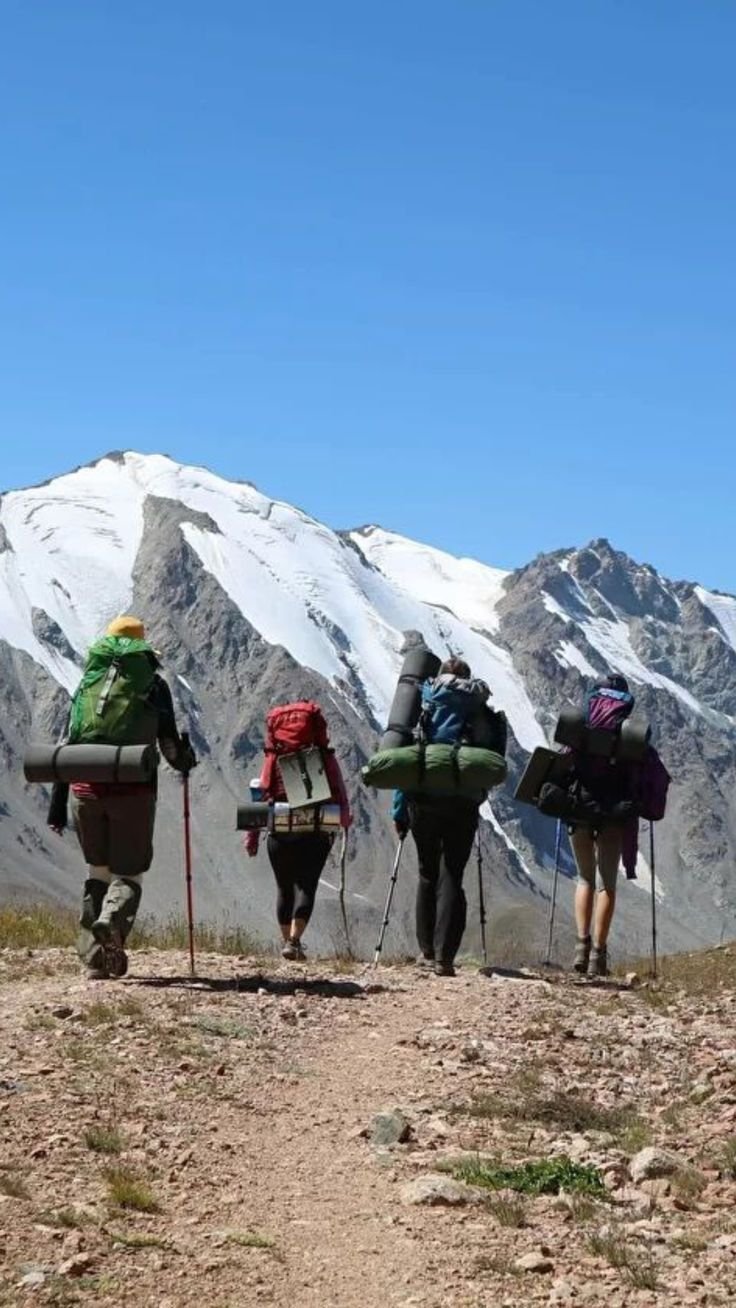
For a High Atlas summit day hike from Marrakech, pack sturdy broken-in hiking boots with grip, a layering system (base, fleece, windproof shell), 2–3 litres of water, sun protection, a small daypack and a packed lunch (included). In winter, add warm layers and be prepared for snow and ice above 2,500 m. The full list is confirmed in your written proposal.
A summit day hike in the High Atlas is achievable for active walkers, but the mountains demand respect. The right preparation and packing make the difference between a hard slog and a joyful summit day. This guide covers what to bring and how to prepare for the Talamroute and ISK summit day hikes, with seasonal considerations for the 2,500 m+ terrain you will be walking on.
The layering principle
Mountain weather in the High Atlas changes by the hour, and a summit day can swing 20°C between a pre-dawn start and midday on the ridge. Dress in three adaptable layers: a moisture-wicking base, an insulating mid-layer (fleece or light down), and a windproof, waterproof shell. This lets you add and remove layers as conditions change.
Avoid cotton, which holds sweat and chills you on exposed ridges. Even in summer, the summit at 2,500 m+ can be cold and windy, so always carry a warm layer and a windproof shell.
Footwear
Sturdy hiking boots with grip and ankle support are non-negotiable on these summit routes. The terrain is uneven, with rocky sections and long descents that punish unprepared feet and knees. Break in new boots for at least two weeks before you travel — never wear new boots on a summit day.
Pair them with good quality walking socks. Trekking poles are highly recommended for the long descents — they save your knees and improve stability on uneven ground.
Water and sun protection
Dehydration and sun exposure are the two most common avoidable problems on High Atlas trails. Carry 2–3 litres of water capacity and drink steadily throughout the day, not just when you feel thirsty. The air is dry and the sun is intense at altitude, so you will sweat more than you realise.
A sun hat, sunglasses and high-SPF sunscreen are essential even on overcast days — the sun is far stronger at 2,500 m than at sea level. A packed lunch and bottled water are included on both summit hikes.
Seasonal considerations
Spring (March–May) and autumn (September–November) offer the most comfortable temperatures and the clearest trails for summit day hikes. Summer is feasible with an early start, but the lower sections can be hot. Winter (December–February) brings snow and ice above 2,500 m, and both Talamroute (2,650 m) and ISK (2,520 m) are explicitly subject to guide and weather checks in winter.
In winter, add warm layers (an insulated jacket, warm hat and gloves), and be prepared for the possibility that conditions force a route change or a turned-back summit. Your guide checks the forecast and conditions before each departure and advises the safest option.
What to bring — checklist
- Sturdy broken-in hiking boots with grip and ankle support.
- Layering system: moisture-wicking base, fleece mid-layer, windproof waterproof shell.
- Warm layer (fleece or light down) for the summit, even in summer.
- 2–3 litres of water capacity.
- Sun hat, sunglasses and high-SPF sunscreen.
- Small daypack to carry your layers, water and lunch.
- Trekking poles (highly recommended for the descents).
- Camera and a power bank if you use your phone for photos.
- Cash in small notes for any village purchases.
- In winter: insulated jacket, warm hat, gloves and be prepared for snow and ice.
Frequently asked questions
What should I pack for a High Atlas summit day hike?
Sturdy broken-in hiking boots with grip, a layering system (base, fleece, windproof shell), a warm layer for the summit, 2–3 litres of water, sun protection, a small daypack and trekking poles. A packed lunch and water are included. The full list is confirmed in your written proposal.
Do I need special equipment in winter?
In winter (December–February), snow and ice are possible above 2,500 m. Add an insulated jacket, warm hat and gloves. Both Talamroute and ISK are subject to guide and weather checks in winter — your guide advises the safest option and may change the route or turn back if conditions demand it.
Are trekking poles necessary?
They are highly recommended, not mandatory. The long descents on uneven terrain are where unprepared knees suffer most. Poles improve stability and reduce impact on the descent.
How much water should I carry?
2–3 litres per person for a summit day hike. The air is dry and the sun is intense at altitude, so you will sweat more than you realise. Drink steadily throughout the day, not just when thirsty. A packed lunch and bottled water are included.
What is the best season for a summit day hike?
Spring (March–May) and autumn (September–November) offer the most comfortable temperatures and clearest trails. Summer is feasible with an early start. Winter brings snow and ice above 2,500 m and is subject to guide and weather checks.
Related tours
- Talamroute Summit Day Hike from Marrakech — High Atlas Summit via Tizi n’Tamatert
- ISK Summit Day Hike from Marrakech — Forest, Toubkal Views & Waterfall Return
Related destinations
Related guides
- The Complete Atlas Mountains Packing Guide
- What to Expect on the Talamroute Summit Day Hike
- What to Expect on the ISK Summit Day Hike
- When to Trek Morocco: A Season-by-Season Guide
Related hiking hubs
- Day Hikes from Marrakech: Explore the Atlas Mountains in a Day
- Atlas Mountains Hiking in Morocco
- Imlil Hiking & Valley Walks from Marrakech
Ask a local guide · Request a custom itinerary · Browse all tours