Imlil Day Hike: Best Time, Difficulty & How to Prepare
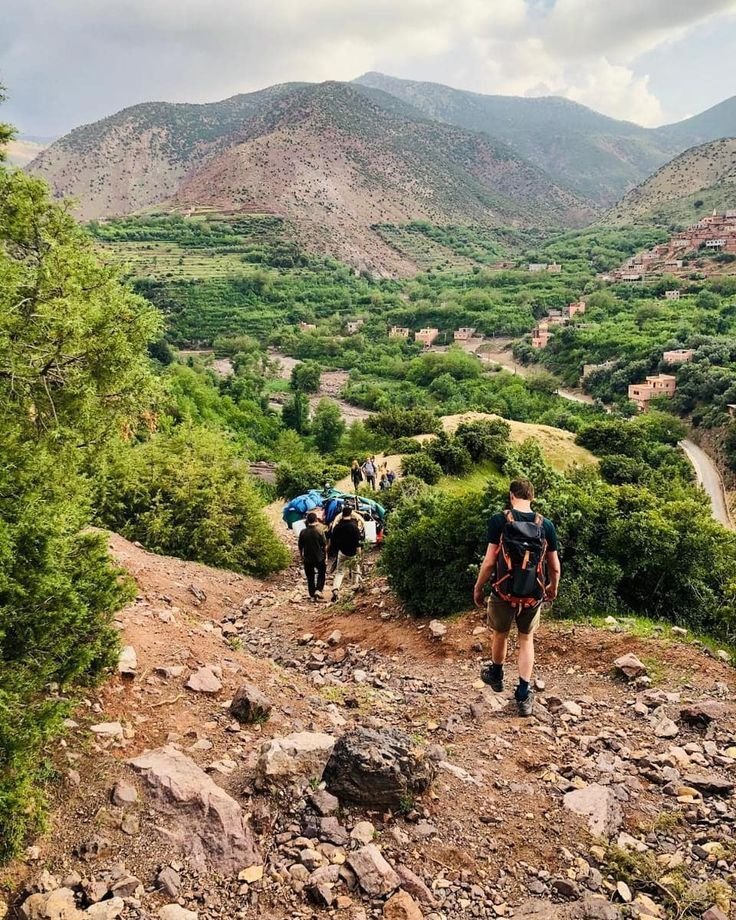
When to hike Imlil, how hard it is, and how to prepare — season-by-season weather, difficulty for beginners and families, fitness needs, altitude, packing for a day hike, cost and what to bring.
Planning your Imlil day hike: the simple decisions
The Imlil day hike is one of the easiest great day treks in Morocco to plan, but a few decisions make the difference between a good day and a great one: when to go, how hard it will be for your group, and what to bring. This guide answers each one, honestly and simply.
Best time and weather
Imlil is hikeable year-round, but the experience varies with the season.
| Season | Valley temp | Conditions | Best for |
|---|---|---|---|
| Spring (Mar–May) | 15–25 °C | Wildflowers, green terraces | Photography, first-time visitors |
| Summer (Jun–Aug) | 25–35 °C | Hot in the valley, clear mornings | Early starts, quiet trails |
| Autumn (Sep–Nov) | 15–25 °C | Harvest colours, stable weather | Ideal — comfortable and clear |
| Winter (Dec–Feb) | 8–15 °C | Snow possible above the shrine | Crisp, quiet, shorter high route |
Choosing your season
Spring and autumn are ideal — comfortable temperatures, clear views and beautiful valley colours. Summer is hot in the valley but fine with an early start to be off the trail by early afternoon. Winter is quiet and crisp; snow can settle above Sidi Chamharouch, which may shorten the route, but the lower villages stay walkable year-round.
How hard is it?
Easy to moderate. The trails are well-defined mule tracks with gentle, steady climbing and no exposure or technical ground. The classic route to Sidi Chamharouch gains around 560 m; the longer Armed variant around 800 m. The standard day hike reaches around 2,000 m — a lower-altitude valley walk compared with Toubkal’s 4,167 m, so altitude is not the main consideration, though you may notice thinner air on the climbs.
It is a real hike, not a stroll — wear proper footwear and bring water and sun protection.
Fitness and who it suits
Basic fitness is enough. If you walk regularly and can manage four to six hours on uneven ground, you are ready — no training plan needed. The hike suits families with children, first-time visitors, couples and solo travellers. Tell us your group’s ages and any mobility considerations when booking so your guide can choose the right route variant.
Altitude
The standard Imlil day hike reaches around 2,000 m — a lower-altitude valley walk compared with Toubkal’s 4,167 m. You may notice the air is thinner on the climbs if you are used to sea level; hydrate well, especially in summer, and tell your guide if you feel unwell.
What to pack for a day hike
- Broken-in walking shoes or light boots
- Layered clothing — warm layer for the morning, sun protection for midday
- 1.5–2 litres of water, sunscreen, sunglasses, sun hat
- Small daypack, camera, any personal medication
- Light waterproof jacket (mountain weather can change)
Cost and what is included
The hike includes private transfers from Marrakech, a local guide, and a home-cooked Berber lunch. Pricing is on the tour page. It is one of the best-value full-day Atlas experiences available from Marrakech.
Imlil day hike pricing and booking Morocco hiking tour cost breakdown
Get advice or a custom day
Travelling with children, older relatives, or a specific interest like photography or culture? Our guides tailor the route and pace to your group. Request a custom itinerary or contact us for advice — we are happy to help you choose the right day.
Frequently asked questions
What is the best month for the Imlil day hike?
Spring (March–May) and autumn (September–November) are ideal — comfortable temperatures, clear views and beautiful valley colours. It is hikeable year-round with an early start in summer and a shortened high route in winter.
Is it hard?
No. It is easy to moderate — well-defined trails with gentle climbing. If you can walk four to six hours on uneven ground, you can do it. No hiking experience is required.
Is altitude a problem?
The standard day hike reaches around 2,000 m — a lower-altitude valley walk compared with Toubkal’s 4,167 m, so altitude is not the main consideration. You may notice thinner air on the climbs; hydrate well and tell your guide if you feel unwell.
Can children do it?
Yes. The classic route suits families with children; your guide adjusts the pace and distance. Tell us your children’s ages when booking so the route is planned accordingly.
What should I bring?
Broken-in walking shoes or light boots, layered clothing, 1.5–2 litres of water, sun protection, a small daypack and a light waterproof jacket. No specialist gear is needed.
Related tours
- Imlil Day Hike from Marrakech | Berber Village Walk from Marrakech — Berber Villages & Atlas Valley Walk
- Imlil Valley Day Hike
- Three Valleys Trek — Ouirgane, Azzaden & Nfis Atlas Day Hike