Planning a Hiking Trip in Morocco: Culture, Packing, Safety, and Responsible Travel
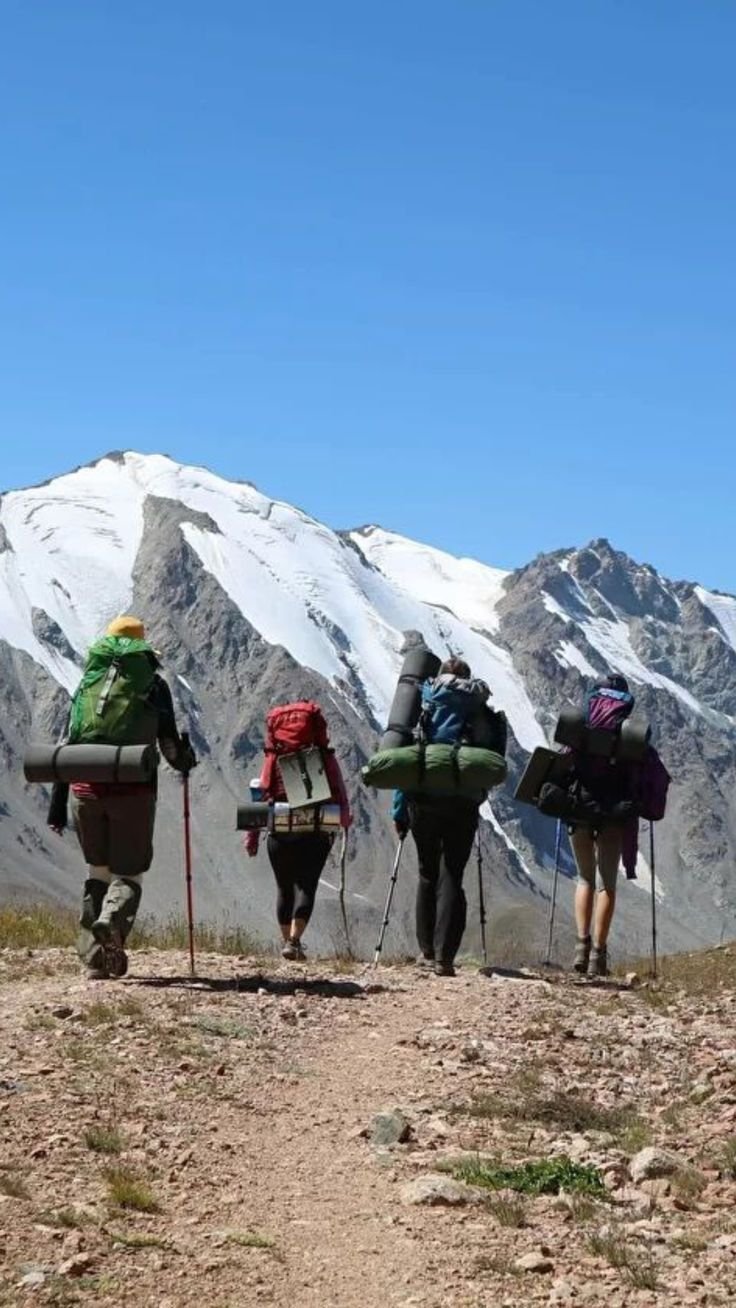
Planning a hiking trip in Morocco means preparing for altitude and heat, packing layered clothing and broken-in boots, staying hydrated, checking the weather, dressing and photographing respectfully, supporting local guides and communities, and carrying a pre-trip checklist. Seek qualified advice for personal health concerns and current route conditions.
A little preparation turns a good hiking trip to Morocco into a great one. The country offers extraordinary variety — from gentle valley walks to 4,000 m summits and Sahara dunes — but the mountains and the desert demand respect, and travelling responsibly keeps you safe and welcome. This guide covers the practical and cultural essentials of planning a hiking trip in Morocco: preparation, clothing and footwear, hydration, weather checks, respectful photography and dress, greetings and permission, waste reduction, local guides, transport questions, and a concise pre-trip checklist. The medical and safety advice here is general — seek qualified advice for personal health concerns and confirm current route conditions before you travel.
Preparation: start before you pack
Good preparation has three parts: fitness, paperwork and gear. Match your training to your trek — a gentle valley walk needs general good health, while a Toubkal summit or a multi-day traverse demands real cardiovascular fitness built over several weeks. Be honest about your starting point and build gradually rather than cramming.
On paperwork, check your passport validity and entry requirements for your nationality, arrange travel insurance that covers trekking to your route’s maximum altitude (including emergency evacuation), and confirm the current season and route conditions with your operator. Morocco can be hiked year-round, but the right month depends entirely on altitude and region — the mountains and the desert follow opposite calendars.
Training & fitness for Atlas trekking When to trek Morocco Morocco travel essentials
Clothing and footwear
The layering principle is the foundation of mountain dressing: a moisture-wicking base layer, an insulating mid-layer (fleece or light down), and a windproof, waterproof shell. This lets you add and remove layers as conditions change — and in Morocco they change fast, with a 20°C swing between a pre-dawn summit start and midday in the valley. Avoid cotton, which holds sweat and chills you on exposed ridges.
Footwear is the single most important gear decision. Broken-in hiking boots with ankle support are non-negotiable on rocky Atlas trails; new boots on the day will ruin your trek with blisters. Pair them with two sock layers — a thin liner under a merino trekking sock — to prevent blisters on long descents. For the easiest valley walks, sturdy trail shoes may suffice; for Toubkal and multi-day routes, choose stiffer boots.
Hydration and sun protection
Dehydration and sun exposure are the two most common avoidable problems on Moroccan trails. The air is dry, the sun is intense at altitude, and you will sweat more than you realise. Carry at least two to three litres of water capacity for a day hike, more in heat or at altitude, and drink steadily rather than waiting until you are thirsty. A sun hat, sunglasses and high-SPF sunscreen are essential even on overcast days — the sun is far stronger at 3,000 m than at sea level.
On multi-day treks, water is provided or filtered by your guide; confirm the arrangement for your route. Avoid alcohol at altitude, which accelerates dehydration and impairs judgement, and eat well even when appetite fades — carbohydrates fuel acclimatisation and endurance.
Weather checks and mountain judgement
Weather is the single biggest variable on a Moroccan trek, and it surprises more visitors than fitness does. The Atlas has big altitude-driven temperature swings, distinct microclimates, and a real winter that closes the high trails to all but mountaineers. Check a mountain-specific forecast (not just the Marrakech valley forecast) before and during your trek, and trust your guide’s judgement on routes and turn-around times.
There is no mountain-rescue helicopter on standby in the Atlas, so weather decisions are conservative. Always trust your guide’s weather call — a turned-back summit is always better than a forced one. Spring can bring afternoon thunderstorms; winter brings snow above 3,000 m; summer afternoons are too hot for low-desert walking.
Atlas Mountains weather guide Mountain safety & emergency protocols
Respectful photography and dress
Morocco is a predominantly Muslim country, and modest dress is appreciated in villages and towns — covered shoulders and knees, especially for women. This is not about rules imposed on visitors; it is about respect for the communities that host you, and it opens doors that immodest dress closes. In the mountains, practical trekking clothing is fine, but carry a layer to cover up when you enter a village.
Always ask before photographing people, particularly women and elders. A smile and a gesture toward your camera is usually enough; many will happily agree, and the connection is worth far more than a stolen shot. Never photograph military or police installations, and be discreet around religious sites. When in doubt, ask your guide.
Berber culture & mountain etiquette Photographing the Atlas & Sahara
Greetings, permission and hospitality
A few words of greeting transform every encounter. “Salam” (peace) and “azul” (hello, in Tamazight) open conversations; “shukran” (thank you) and “tanmirt” (thank you, in Tamazight) close them warmly. Accept mint tea when it is offered — it is the heart of Amazigh hospitality, and refusing it can read as coldness. Meals are often shared from a communal dish; eat from the section in front of you, using your right hand or bread.
Always ask permission before entering private homes, gardens or irrigated fields, and follow your guide’s lead on where it is appropriate to stop, rest and camp. Tipping is customary and appreciated — budget for guides, cooks and drivers — and buying handicrafts or produce directly from villages supports the local economy.
Waste reduction and leaving no trace
Morocco’s mountain and desert environments are fragile, and waste infrastructure is minimal. Carry out everything you carry in — including all packaging, food scraps and toilet paper. Use established toilet facilities where they exist, and where they do not, follow your guide’s guidance on responsible practice well away from water sources and villages. Never leave cigarette butts or microplastics; the desert preserves them for decades.
Respect wildlife and livestock — keep a respectful distance from grazing animals and never disturb wild animals, including the Barbary macaques around Ouzoud. Stay on established paths to protect the thin mountain soils and the terraced agriculture that sustains these communities.
Local guides and transport questions
A local Berber guide is the single most important safety and cultural tool on any Moroccan trek. Trails are unmarked, there is no mountain-rescue infrastructure, and a guide manages navigation, weather, altitude, language and the relationships with the communities you pass through. On multi-day treks, mule teams carry your main bag so you walk with only a daypack.
On transport, private air-conditioned transfer from Marrakech to the trailhead is included on guided treks, so you never need to navigate public transport with your luggage. Ask the operator what is included, what the group size is, how pacing is adapted, and how the final itinerary and price will be confirmed. A request is not a confirmed booking until availability, route, inclusions and pricing are confirmed.
Do I need a guide to hike in Morocco? Marrakech to the Atlas Mountains guide
A concise pre-trip checklist
- Confirm your route, season and current conditions with your operator.
- Arrange travel insurance covering trekking to your route’s maximum altitude and emergency evacuation.
- Check passport validity and entry requirements for your nationality.
- Break in your hiking boots for at least two weeks before you travel.
- Pack layered clothing, a warm jacket, a waterproof shell, sun protection and a headtorch.
- Build fitness with hill walks carrying a daypack for several weeks beforehand.
- Carry cash in small notes for village purchases and fair tipping.
- Learn a few greetings — “salam”, “azul”, “shukran”, “tanmirt”.
- Carry out all waste and leave no trace.
- Request current itinerary, conditions and pricing — a request is not a confirmed booking.
Frequently asked questions
What should I pack for a hiking trip in Morocco?
Broken-in hiking boots with ankle support, layered clothing (moisture-wicking base, fleece, warm down jacket, waterproof shell), trekking trousers, a headtorch, two to three litres of water capacity, a sun hat, sunglasses, high-SPF sunscreen, lip balm, blister plasters and a sleeping-bag liner for multi-day refuges. The full list depends on your route and season — confirm it with your guide.
How should I dress when hiking in Morocco?
Practical trekking clothing is fine on the trail, but dress modestly — covered shoulders and knees — in villages and towns, especially as a woman. Carry a layer to cover up when you enter a village. Modest dress is about respect for the host communities and opens doors that immodest dress closes.
Is it safe to drink the water on a Moroccan trek?
Drink bottled or filtered water provided by your guide; do not drink from streams or village taps without treatment. Dehydration is one of the most common avoidable problems, so carry plenty of water and drink steadily rather than waiting until you are thirsty. Avoid alcohol at altitude.
Do I need a guide to hike in Morocco?
Yes, for anything beyond the easiest valley floors. Trails are unmarked, there is no mountain-rescue infrastructure, and a local guide manages navigation, weather, altitude, language and safety. A guide is included on every guided trek and is the single most important safety tool.
Can I photograph people in Morocco?
Always ask before photographing people, particularly women and elders. A smile and a gesture toward your camera is usually enough; many will happily agree. Never photograph military or police installations, and be discreet around religious sites. When in doubt, ask your guide.
What insurance do I need for hiking in Morocco?
Comprehensive travel insurance covering trekking to your route’s maximum altitude, including emergency evacuation. Standard travel insurance often excludes trekking above a certain altitude, so check the specifics. Confirm the required cover with your operator before you travel.
How do I request current itinerary and pricing?
Send your dates, group size and experience by email to marrakechoutdoorhikes@gmail.com or WhatsApp +212 667 212 912, or use the enquiry form on any tour or guided-hikes page. A local guide replies personally with a transparent quote. No account is needed, and a request is an enquiry, not a confirmed booking.
Where can I get medical advice for a hiking trip to Morocco?
Seek qualified medical advice for any personal health concerns, vaccinations and medications before you travel. The safety advice in this guide is general and does not replace professional guidance. Confirm current route conditions with your operator, as they change with the season.
Related tours
- Imlil Day Hike from Marrakech — Berber Villages & Atlas Valley Walk
- Toubkal 2 Day Trek — Guided Climb of North Africa's Highest Peak
- Merzouga Sahara Luxury — 3 Days
- Toubkal Circuit Trek — Azzaden Valley to Mount Toubkal Summit
Related destinations
Related guides
- The Complete Atlas Mountains Packing Guide
- Mountain Safety & Emergency Protocols
- Berber Culture & Mountain Etiquette
- When to Trek Morocco: A Season-by-Season Guide
Ask a local guide · Request a custom itinerary · Browse all tours